
Beyond Trends: Building a Dress Wardrobe That Feels Like You
A wardrobe can be full without being useful.
This becomes especially obvious with dresses. You can own dozens of garments and still stand in front of the wardrobe wondering what to wear. The problem is usually not a shortage of clothes. It is a shortage of intentional choices.
A strong dress wardrobe begins with understanding the difference between variety and repetition.
Owning several dresses in slightly different colours but identical silhouettes creates visual variety without functional variety. Instead, a useful collection should contain different shapes, fabrics, lengths, and levels of formality.
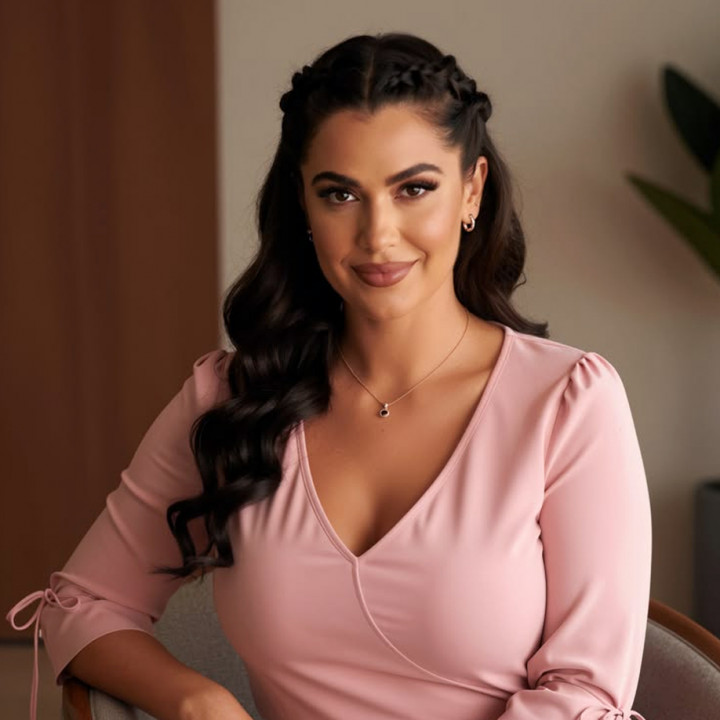
For women, a balanced wardrobe might include a comfortable cotton day dress, a polished midi dress, a flowing maxi, a structured occasion dress, and a distinctive statement piece. These garments can serve completely different purposes while remaining connected through a consistent personal aesthetic.
Men’s dress wardrobes can follow the same logic through dress shirts, longline shirts, contemporary shirt dresses, tailored pieces, and other structured garments. The modern approach to menswear is increasingly flexible, allowing traditional formal elements to coexist with relaxed silhouettes and experimental proportions.
The key is knowing what your wardrobe actually needs.
Start with everyday dressing.
If most of your time is spent in casual environments, buying heavily embellished formal dresses simply because they look impressive is inefficient. Choose fabrics and silhouettes that can survive frequent wear. Cotton, linen, rayon, and practical blends can offer comfort while still creating a polished appearance.
Then consider occasion dressing.
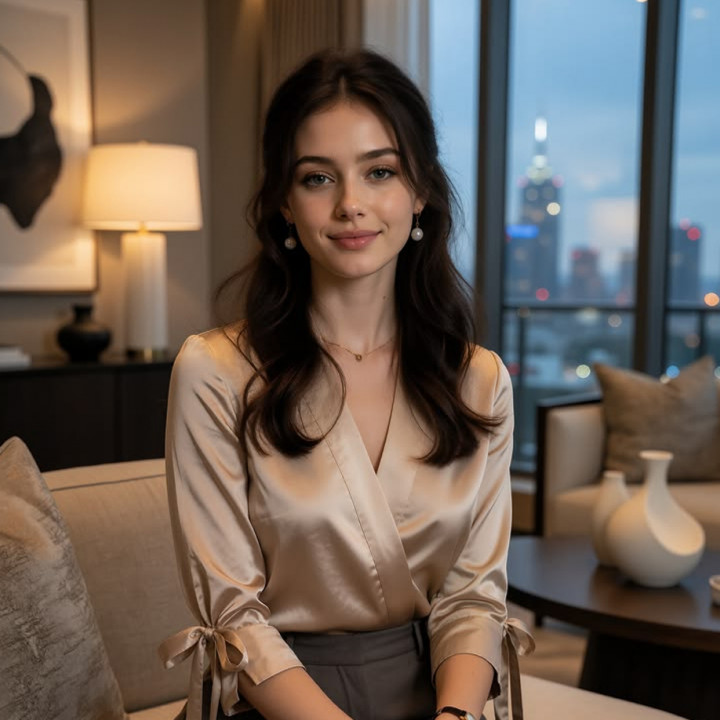
Special-event dresses should feel different from everyday pieces. Satin, velvet, chiffon, jacquard, or more structured fabrics can provide that distinction. But a statement dress does not need excessive decoration. Strong construction, interesting draping, unusual proportions, or a sophisticated colour can create impact without turning the garment into visual noise.
Fit should remain the filter for everything.
A dress that technically matches your size may still fit badly. The shoulder may sit incorrectly. The waist may fall too high or too low. The sleeves may restrict movement. The hem may create an awkward proportion. These details matter because a dress is a three-dimensional garment, not a flat photograph.
Length deserves particular attention.
Mini, midi, and maxi dresses produce completely different visual rhythms. The same fabric can look youthful in a short silhouette, sophisticated at midi length, and dramatic as a maxi. Choosing length based purely on trends ignores how strongly it affects the entire outfit.
Colour should also work as a wardrobe system rather than isolated purchases.
Neutral dresses provide flexibility. Strong colours create focal points. Prints introduce personality. A good wardrobe contains enough contrast to remain interesting but enough compatibility to make styling easy.
Most importantly, stop treating every new trend as a requirement.
Fashion constantly creates new silhouettes because novelty sells. That does not mean every silhouette deserves space in your wardrobe. If a trend does not suit your proportions, lifestyle, comfort, or existing clothes, buying it simply because it is fashionable is wasteful.
Your wardrobe should serve your style, not the other way around.
The best collection of dresses is not the one with the most pieces.
It is the one where each dress has a clear purpose, fits properly, feels good to wear, and contributes something different.
That is when a wardrobe stops being a storage space and becomes a personal fashion system